
Quick answer
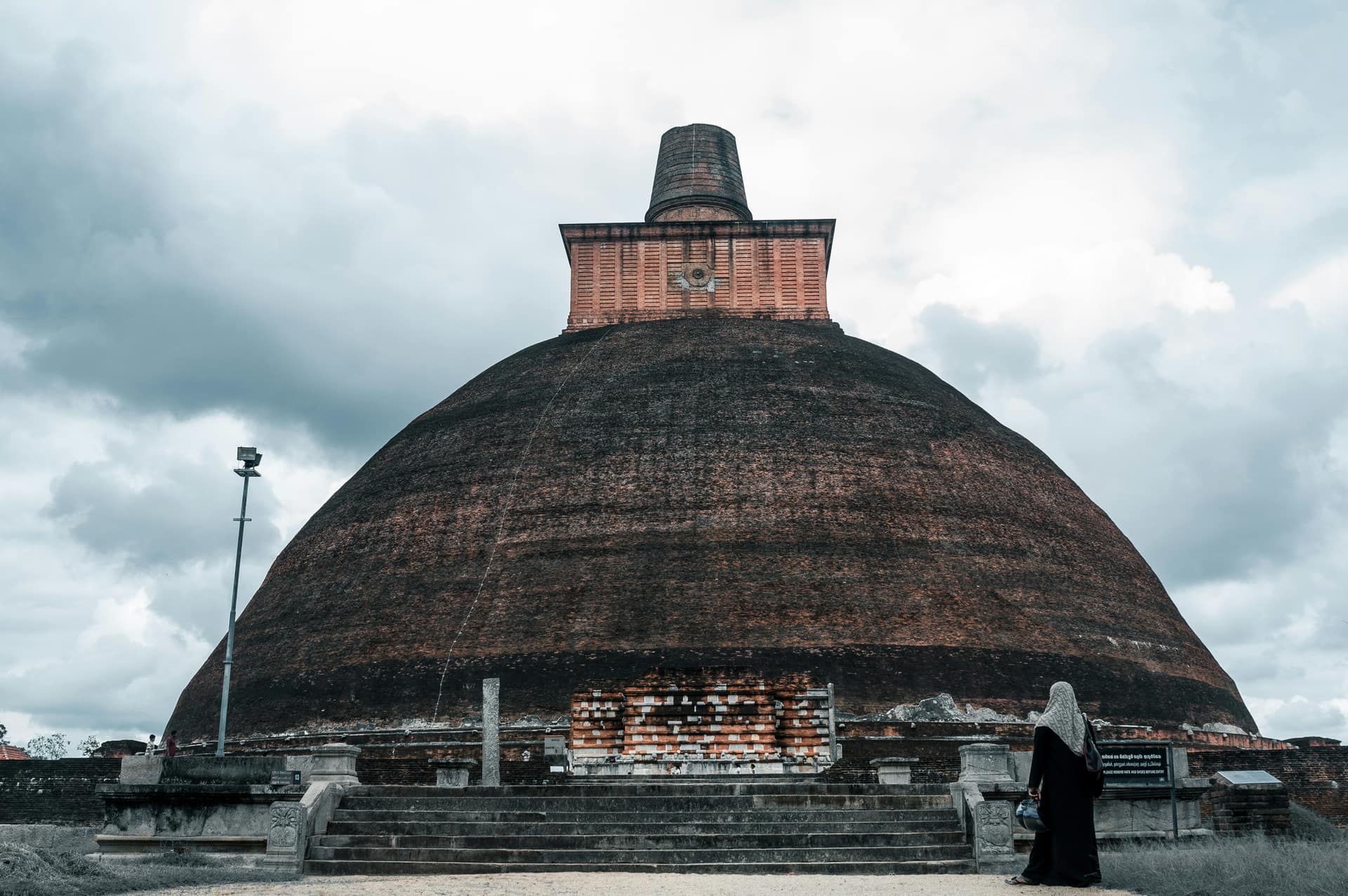
Anuradhapura is a UNESCO-listed ancient capital in north-central Sri Lanka, home to Sri Maha Bodhi (a sacred fig tree grown from the Buddha's Bodhi Tree), the great dagobas of Ruwanwelisaya and Jetavanaramaya, and sprawling monastic ruins. The best way to explore is by bicycle at dawn, before the heat, in modest dress that covers shoulders and knees. Allow two nights and combine it with Mihintale and Polonnaruwa on a Cultural Triangle loop.
Key takeaways
- Cycle at dawn—the site is huge and walking it in midday heat is draining.
- Sri Maha Bodhi and the great stupas are active places of worship; dress modestly and follow stewards.
- Anuradhapura is a living pilgrimage site where the faithful often outnumber tourists—visit with respect.
- Pair it with Mihintale and Polonnaruwa rather than rushing both ancient cities in one day.
- Two nights allow a relaxed cycle day plus the great dagobas and Mihintale.
Why Anuradhapura anchors the Cultural Triangle
Where Polonnaruwa shows off medieval town planning, Anuradhapura reveals the roots of Sri Lankan civilisation—Buddhist statecraft, monastic life, and the vast irrigation tanks that fed a kingdom for over a millennium. This was one of the great cities of the ancient world.
It is also a living shrine. At Sri Maha Bodhi and the big stupas, pilgrims in white still outnumber tourists, which shapes how you should move through the site: quietly, modestly, and without treating worship as a backdrop.
Sri Maha Bodhi and the great dagobas
Sri Maha Bodhi is among the oldest documented trees in the world, grown from a sapling of the very tree under which the Buddha attained enlightenment. Standing among devotees lighting lamps beneath it is the spiritual heart of any visit.
Nearby rise the colossal brick dagobas—Ruwanwelisaya gleaming white, Jetavanaramaya and Abhayagiri vast and weathered. Cover your shoulders and knees, remove your shoes on the platforms, and keep your voice low.
- →Dress modestly; carry socks for hot stone platforms
- →Remove shoes where directed and lower your voice
- →Photography is restricted in some shrine rooms—follow signs
- →Don't turn your back to Buddha images where custom discourages it
Cycling the ruins, tank to tank
The classic half-day loop links Thuparamaya, Abhayagiri, the Twin Ponds, and the monastery foundations, threading between ancient reservoirs and shade trees. Bicycles turn the sprawl from a chore into a pleasure, and let you pause wherever the light or the quiet calls.
Start at first light, carry plenty of water, and plan your route so you're resting through the midday heat rather than pedalling through it.
Mihintale: where Buddhism arrived
A short drive away, Mihintale is revered as the place where Buddhism was introduced to Sri Lanka. A stairway of broad granite steps climbs to stupas and viewpoints that open over the whole sacred landscape—best at dawn or dusk for cool air and soft light.
It adds essential context to Anuradhapura: not just ruins, but the founding story of the island's faith.
Planning a Cultural Triangle loop
Two nights let you cycle the sacred city, climb Mihintale, and absorb the dagobas without heat stress. Base in the sacred-city guesthouses or in Habarana, which puts Sigiriya and Polonnaruwa within easy reach for a full Cultural Triangle.
See our Anuradhapura destination guide for tickets, seasons, and etiquette, or ask us to build a private heritage route with scholar-led walks and dawn cycling.
Frequently asked questions
How many days should I spend in Anuradhapura?
Two nights cover the great dagobas, Sri Maha Bodhi, Mihintale, and a relaxed cycle day. One night works if you arrive early and share time with Polonnaruwa; archaeology enthusiasts add a third night.
Is it better to cycle or drive around Anuradhapura?
Cycling at dawn is the most rewarding way to experience the sacred city—it's spread out and far more pleasant by bike before the heat. A private vehicle suits travellers with limited mobility or tight schedules.
What should I wear in Anuradhapura?
Modest clothing covering shoulders and knees, with easy-to-remove shoes and a light scarf. Carry socks for hot stone platforms. White attire is optional for devotees and not required for visitors.
Can I visit Anuradhapura and Polonnaruwa in one day?
It's possible with a private driver but rushed and hot. We prefer one night in each, or a base in Habarana with two unhurried half-days, so each ancient city gets the time it deserves.
What is Sri Maha Bodhi?
Sri Maha Bodhi is a sacred fig tree in Anuradhapura grown from a sapling of the Buddha's original Bodhi Tree, making it one of the oldest documented trees on earth and a major pilgrimage focus.
When is the best time to visit Anuradhapura?
January to April and July to September are popular for drier weather; start at dawn year-round to beat the heat. Poson (June) brings huge, spiritually rich pilgrim crowds—book guides and hotels well ahead.
Does Lankan Stays & Trails offer Anuradhapura tours?
Yes. Our culture itineraries include Anuradhapura with ethical guides, bicycle mornings, and stays near Habarana or the sacred city. Share your dates for a tailored Cultural Triangle plan.