
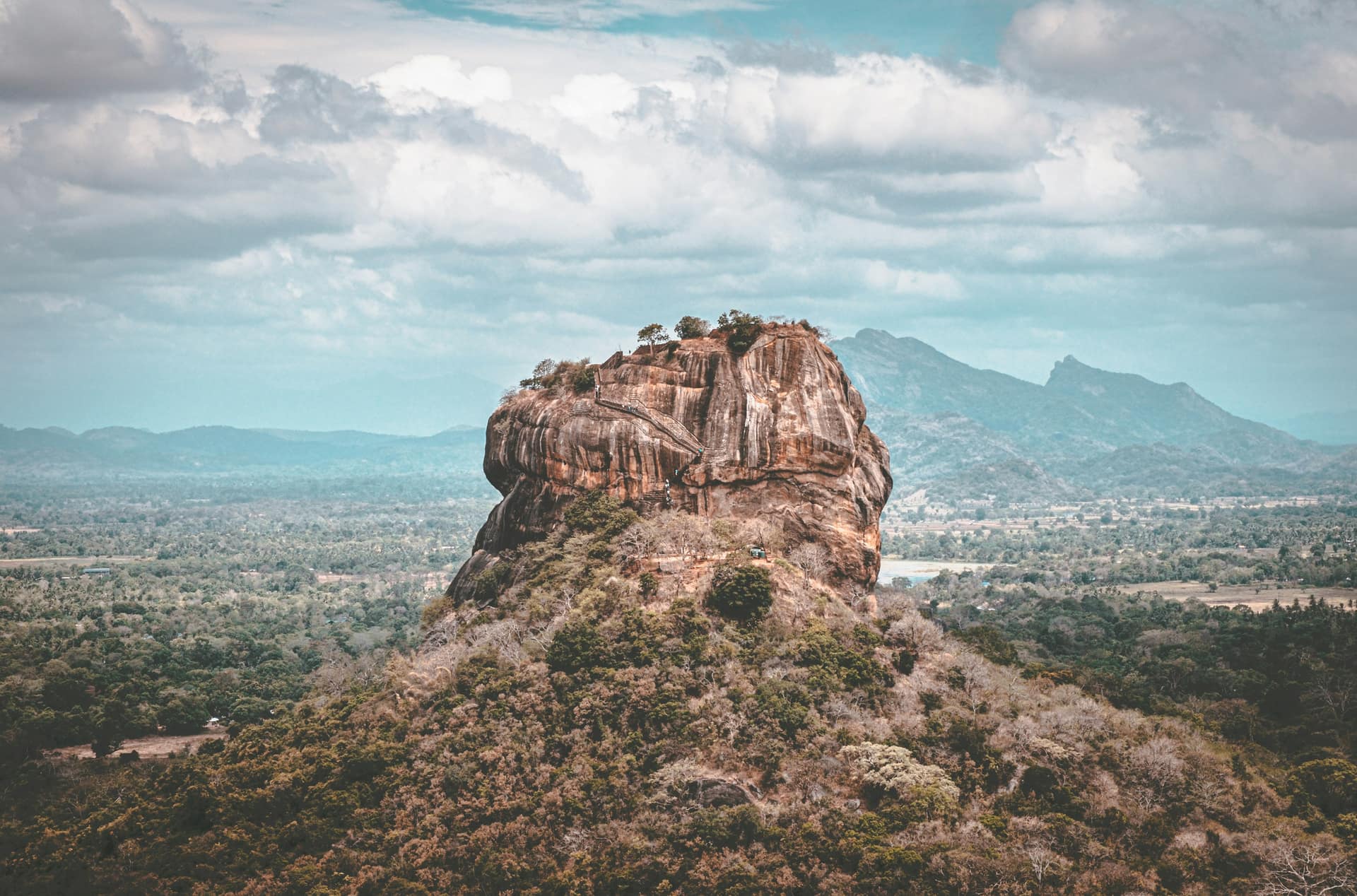
Quick answer: what is Sigiriya?
Sigiriya is a 5th-century rock fortress and UNESCO World Heritage Site in central Sri Lanka, famous for Lion Rock, mirror-wall frescoes, and royal water gardens. Visit at sunrise for cooler climbs and softer light; allow half a day on site plus travel from Dambulla, Habarana, or Kandy. Book tickets in advance in peak season and pair Sigiriya with Pidurangala Rock, Minneriya safaris, or Polonnaruwa for a full Cultural Triangle itinerary.
Region: Cultural Triangle · Sri Lanka · Typical overnight low ~22°C (long-term climate norm)
Top experiences in Sigiriya
- Climb Sigiriya Rock (Lion Rock) for panoramic views over jungle and tank country
- Explore symmetrical water gardens and boulder gardens at the base
- See the Sigiriya frescoes (mirror wall gallery) where access is permitted
- Pair with Pidurangala Rock for an alternative viewpoint at golden hour
- Combine with Minneriya or Kaudulla elephant gatherings (seasonal)
- Add Polonnaruwa or Dambulla Cave Temple on a two-day Cultural Triangle loop
Why Sigiriya matters for travelers
Sigiriya, also called the Lion Rock, was a royal citadel attributed to King Kashyapa (5th century CE). The site blends engineering, art, and landscape design: ramparts, moats, terraced gardens, and a stairway that once passed through a monumental lion’s mouth.
For modern visitors, Sigiriya is both a bucket-list viewpoint and a lesson in Sri Lankan history. Travelers interested in archaeology, photography, and slow cultural travel typically spend one full morning on the rock and gardens, then explore nearby villages, organic farms, or national parks in the afternoon.
Lankan Stays & Trails designs Sigiriya days with ethical pacing: licensed guides, early entry when possible, hydration stops, and routes that avoid overtourism hotspots at the busiest hours.
What to see at Sigiriya Rock Fortress
Most visits follow a single ascent route through the water gardens, Boulder Garden, and the final spiral of metal stairways to the summit plateau. Along the way you pass the famous Sigiriya frescoes gallery and the mirror wall, where ancient graffiti and polished plaster survive in protected sections.
At the summit, foundations of palace structures, cisterns, and terraces illustrate how the citadel functioned as both fortress and residence. On clear days you can see distant peaks and the network of ancient tanks that fed agriculture across the dry zone.
- Water gardens: symmetrical pools, channels, and island pavilions at the entrance
- Boulder Garden: natural rock shelters and winding paths
- Frescoes & mirror wall: regulated access; follow site rules and photography limits
- Lion’s Paw terrace: iconic gateway before the upper stairs
- Summit plateau: ruins, viewpoints, and interpretive signage
Sigiriya vs Pidurangala: which rock should you climb?
Sigiriya is the official UNESCO ticketed site with managed paths and conservation rules. Pidurangala Rock is a separate hike nearby, popular for sunset views back toward Lion Rock. Many travelers do Sigiriya at sunrise and Pidurangala in the evening on the same day, if energy and heat allow.
Your guide can advise on fitness level, temple dress codes near Pidurangala’s monastery base, and seasonal sunset times. We do not recommend double climbs in extreme heat without rest and hydration planning.
Best time to visit Sigiriya
Dry season months from roughly February to September offer the most predictable sunrise weather. Shoulder months can be excellent with fewer crowds if you start early.
- Ideal: arrive for gate opening or sunrise slots for cooler temperatures and softer photos
- Midday heat is intense on the rock; avoid climbing 11:00–15:00 when possible
- Northeast monsoon (roughly Oct–Jan) can bring showers; pack a light rain layer
- Long weekends and school holidays in Sri Lanka draw local visitors; book guides early
- Combine with Minneriya elephant gatherings roughly July–October (seasonal, verify locally)
How to get to Sigiriya
Sigiriya lies near the town of Dambulla in Matale District, central Sri Lanka. Most international travelers fly into Colombo (CMB) and reach the Cultural Triangle by private car, train plus transfer, or a curated tour circuit from Kandy.
Habarana and Dambulla are common bases for one or two nights, keeping drive times short to Sigiriya, Polonnaruwa, and safari parks.
- →From Colombo Bandaranaike Airport: about 4–5 hours by road (traffic dependent)
- →From Kandy: about 2.5–3 hours by road; popular rail-to-Kandy then drive option
- →From Dambulla town: roughly 30–40 minutes to Sigiriya entrance
- →Nearest major rail hubs: Habarana and Kandy; arrange transfers to the site gate
- →Tuk-tuks are available locally; private vehicles offer better comfort and AC in heat
Practical tips for your Sigiriya visit
- Wear sturdy shoes with grip; upper stairs are steep and exposed to wind
- Carry at least 1–2 liters of water per person; limited shade on the rock
- Sun hat, reef-safe sunscreen, and light long sleeves help on open sections
- Temple-adjacent areas may require covered shoulders and knees
- Official tickets are required; keep digital or paper copies for inspection
- Wasps can be active near the summit in certain months; follow ranger advice
- Photography drones are restricted; always check current UNESCO site rules
- Allow 2.5–4 hours on site depending on fitness and crowd queues
Mindful and responsible travel at Sigiriya
Sigiriya is a living heritage landscape, not only a viewpoint. Stay on marked paths, do not touch frescoes, and carry out all litter. Choose guides and drivers who live in the region so tourism spend supports local families.
Lankan Stays & Trails partners with community-run experiences near the Cultural Triangle: village lunches, craft demonstrations, and low-impact safari operators. We avoid itineraries that rush the climb without context, and we build rest days when travelers combine Sigiriya with long drives from the coast or hill country.
Frequently asked questions about Sigiriya
How long does it take to climb Sigiriya Rock?
Most visitors need 2.5 to 4 hours on site, including the water gardens, fresco gallery, and summit. Fit travelers may ascend in under 90 minutes, but queues on narrow stairways during peak hours add time. Plan extra buffer if you travel with children or prefer a slow, interpretive pace with a guide.
Is Sigiriya suitable for beginners and families?
The climb is steep and not wheelchair accessible. Active older children and beginners with good mobility can manage if they start early, carry water, and rest on terraces. Anyone with vertigo, heart conditions, or knee issues should consult a doctor; Pidurangala is also steep and not an easier substitute for all travelers.
What is the Sigiriya entrance fee?
Ticket prices are set by Sri Lanka authorities and change periodically. Foreign visitor rates are higher than local resident rates. Your tour operator or hotel can confirm current UNESCO site fees; we recommend buying through official counters or verified agents to avoid scams.
Can you visit Sigiriya without a guide?
Yes, independent visits are allowed with a valid ticket. A licensed guide adds historical context, route timing, and crowd navigation, especially for first-time visitors to Sri Lanka. Lankan Stays & Trails includes guiding when it improves understanding and supports local employment.
What should I wear to Sigiriya?
Comfortable athletic shoes, breathable clothing, and sun protection. Carry a light layer for windy summit conditions. When combining nearby temples, bring modest cover for shoulders and knees. Avoid loose sandals on metal stairways.
Where should I stay near Sigiriya?
Habarana, Dambulla, Sigiriya village, and selected eco-lodges around the Cultural Triangle offer the best access. Luxury and boutique properties are available for honeymoon and slow-travel itineraries. We match stays to your route, whether you continue to Kandy, the east coast, or Yala afterward.
What else can I do near Sigiriya in one or two days?
Popular additions include Dambulla Cave Temple, Polonnaruwa ancient city, village cycling, organic farm lunches, and Minneriya or Kaudulla safaris when elephant gatherings occur. A two-day Cultural Triangle loop is ideal for archaeology-focused travelers.
Does Lankan Stays & Trails offer Sigiriya tours?
Yes. We build private and small-group Sri Lanka itineraries that feature Sigiriya with mindful pacing, ethical partners, and customizable nights in the Cultural Triangle. Contact us via the inquiry form or WhatsApp to align dates, fitness level, and budget.
Plan your Sigiriya journey
Tell us your dates, fitness level, and travel style. Our Colombo team will craft a mindful Cultural Triangle itinerary with ethical partners.