
Quick answer
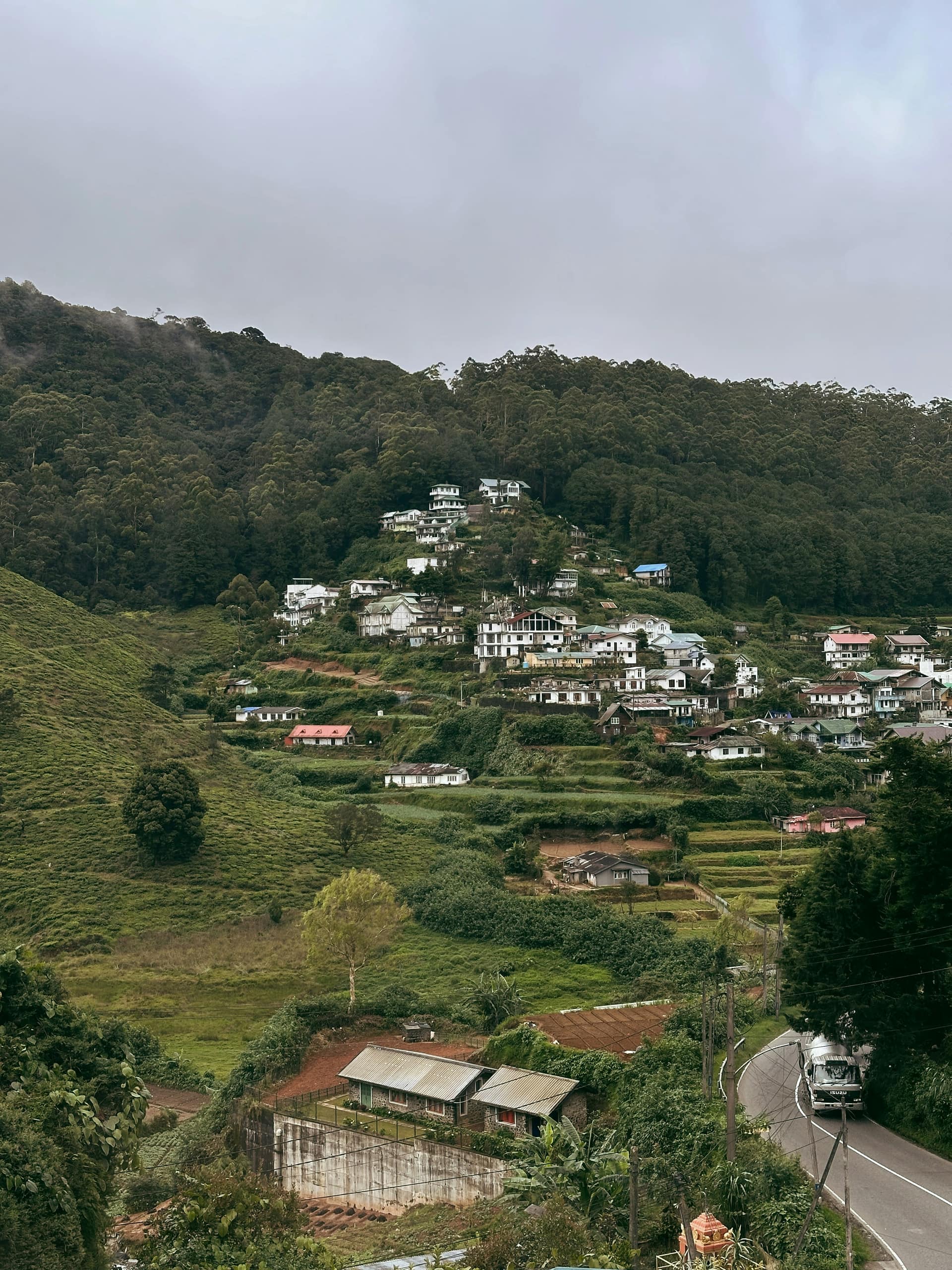
Nuwara Eliya is Sri Lanka's highland tea capital, known as 'Little England' for its cool climate and colonial architecture. The headline experiences are touring a working tea factory at the source and the early-morning Horton Plains hike to World's End, a sheer escarpment best seen at dawn before cloud rolls in. Expect cold nights near 11°C, allow two to three nights, and arrive by the scenic train to Nanu Oya or by road from Kandy.
Key takeaways
- World's End clears best at dawn—start Horton Plains early before mid-morning cloud obscures the view.
- Nuwara Eliya is cold: pack a fleece, hat, and rain shell year-round (lows near 11°C).
- A tea-factory tour at the source explains oxidation, grading, and tasting—buy loose-leaf direct.
- Arrive on the hill-country train to Nanu Oya for one of the island's classic rail legs.
- Two nights cover tea and town; add a third if you want the Horton Plains day.
Why Nuwara Eliya feels like nowhere else in Sri Lanka
British-era planters built Nuwara Eliya as a cool-climate retreat, and the town still carries it: a red-brick post office, a hilltop golf club, hedgerows, and mist that would not look out of place in the Scottish highlands. After the heat of the coast and Cultural Triangle, the cold is a novelty.
But this is first and foremost a working tea economy—pluckers on the hillsides, factories humming in season, and the source of much of the Ceylon tea the world drinks. Altitude also means quick-changing weather, so flexibility makes the visit.
Tea at the source
A factory tour walks you through withering, rolling, oxidation, and grading, finishing with a tasting that explains why high-grown Ceylon tastes brighter than low-grown. Visiting where the tea is actually made—rather than a roadside shop—turns a cup into a story.
Ask questions when guides welcome them, seek out estates that treat workers fairly, and ask consent before photographing pluckers. Buying loose-leaf direct supports local co-ops where they exist.
- →Factory tours run about 1–2 hours with a tasting
- →High-grown vs low-grown flavour explained on site
- →Weekday mornings show plucking in season
- →Buy loose-leaf direct to support estate communities
Horton Plains and the dawn hike to World's End
Horton Plains is a separate national park, and its showpiece is World's End—an escarpment where the land falls away nearly 900 metres. The catch is timing: the view clouds out after mid-morning, so the loop trail is a pre-dawn mission, with departures often around 3:00 to 4:00 AM.
The loop is a moderate three-to-four-hour walk across windswept grassland, passing Baker's Falls and grazing sambar deer. It is cold and exposed, so layers, gloves, and a hat matter even though you started in the dark.
- →Start pre-dawn; World's End clears best at first light
- →Loop trail: moderate, 3–4 hours, often windy
- →Closed shoes, layers, gloves, and a hat are essential
- →Stay on the marked loop—the grasslands are fragile
Gregory Lake and a slow town day
On a gentler day, Gregory Lake offers boat rides and lakeside walks, Victoria Park is good for birdlife, and the town's colonial buildings reward an unhurried wander. The seasonal flower shows around April draw local holidaymakers and a festive buzz.
It's the kind of place to drink a lot of tea, watch the mist move, and let the cold be a pleasure rather than a problem.
Planning a hill-country stay
Two nights cover tea tours and town; add a third if Horton Plains is on your list, because the pre-dawn start pairs badly with a long transfer the day before. The classic move is to continue from Nanu Oya to Ella by train for the most scenic hill-country leg.
See our Nuwara Eliya destination guide for seasons, transport, and Horton Plains logistics, or ask us to plan a private route linking Kandy, tea country, and Ella with the train legs that make it sing.
Frequently asked questions
How cold is Nuwara Eliya?
Average lows are near 11°C with daytime temperatures often 15–20°C, and the wind on Horton Plains feels colder. Pack a fleece, rain shell, and warm layers year-round, even after hot days on the coast.
Is Horton Plains and World's End worth the early start?
Yes, when the weather cooperates. World's End clears best at dawn and clouds over later in the morning, so the pre-dawn departure is what makes the view possible. We watch forecasts and adjust plans.
How long is the Horton Plains World's End hike?
The loop is a moderate three-to-four-hour walk across open grassland, passing World's End and Baker's Falls. It's exposed and windy, so closed shoes, layers, gloves, and a hat are essential despite the early start.
How many days do you need in Nuwara Eliya?
Two nights cover tea tours and town walks. Add a third night if Horton Plains is on your list, since the pre-dawn start is hard to do well straight after a long transfer day.
How do I get from Nuwara Eliya to Ella?
The scenic train from Nanu Oya to Ella is the classic choice, roughly two to three hours through tea country. A road transfer takes similar time with more flexibility for stops.
What is the best time to visit Nuwara Eliya?
March to May brings flowers and clearer trekking windows; December to February is cool and busy with local holidaymakers. Rain can fall any month at this altitude, so come prepared for mist.
Does Lankan Stays & Trails plan Nuwara Eliya stays?
Yes—on soul-of-Sri-Lanka and luxury routes with estate visits, scenic train legs, and optional Horton Plains scheduling. Share your dates and comfort with early starts for a tailored plan.