
Quick answer
Yala (Ruhunu) National Park in southeastern Sri Lanka offers some of Asia's best leopard-watching, alongside elephant, sloth bear, crocodile, and rich birdlife. Visit in the drier months (roughly February to July) when animals gather near water and tracks are clearer, take a dawn jeep safari with a licensed, ethical operator, and plan at least two drives—sightings are never guaranteed. Stay near Tissamaharama or Kirinda and pair Yala with Galle or the hill country.
Key takeaways
- Dawn drives offer the best light and animal activity—and the calmest, most ethical viewing.
- Sightings are luck, not a promise; two drives meaningfully improve your odds.
- A good operator keeps distance, waits engine-off, refuses off-road driving, and pays spotters fairly.
- The drier February-to-July window concentrates wildlife near water and firms up the tracks.
- Two nights near the park allow one afternoon and one morning drive without burning out.
Why Yala is leopard country
Yala's Block I holds one of the highest leopard densities in the world, but density is not the same as a guarantee. The landscape—open glades, granite outcrops, and coastal lagoons—lets leopards move and rest in the open more than in dense jungle, which is what makes sightings possible at all.
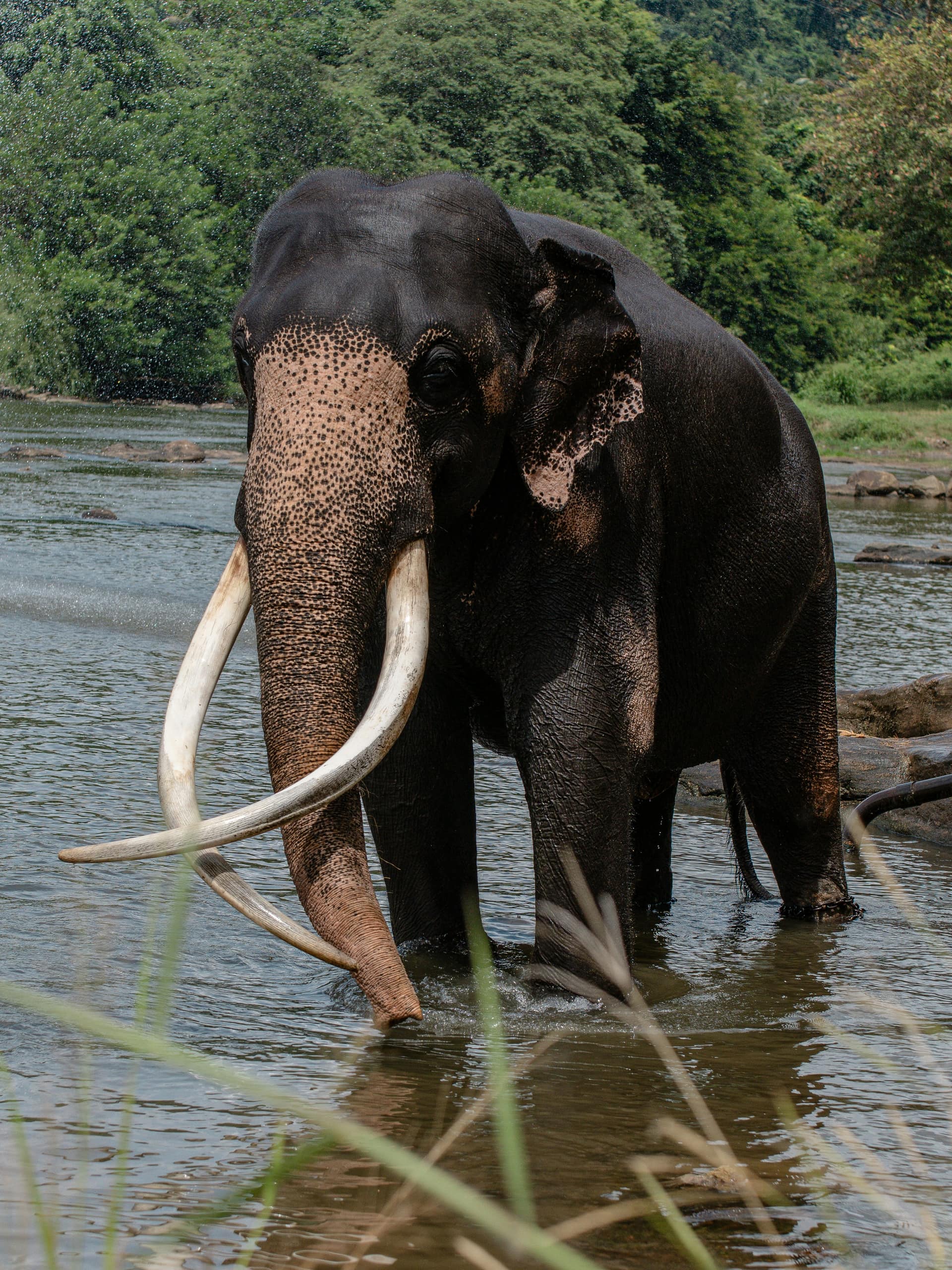
That same openness supports elephants, sloth bears, crocodiles, spotted deer, and hundreds of bird species. Even on a leopard-free drive, Yala delivers a full cast of wild Sri Lanka.
Dawn versus afternoon drives
Park slots run at dawn and late afternoon; midday heat shuts wildlife down. Dawn is the prize: cool air, soft light, and animals on the move before the sun climbs. Afternoon drives can be excellent too, ending with golden light over the lagoons.
If your budget allows two drives, take one of each—an afternoon arrival followed by a dawn start the next day. It doubles your leopard odds and lets you read the park in two different lights.
- →Dawn: best activity and light; bring a light jacket for the open jeep
- →Afternoon: warmer, with sunset lagoon scenes
- →Book park permits ahead in peak season
- →Wear neutral clothing and pack a dust cover for cameras
What an ethical safari actually looks like
The difference between a good safari and a harmful one is behaviour at a sighting. Ethical drivers keep their distance, switch the engine off, and wait—letting the animal set the terms—rather than racing between radio reports or crowding a single cat with a dozen jeeps.
Good operators limit vehicle numbers, never feed or bait wildlife, refuse off-road driving, and employ trained spotters on fair wages. We audit partner behaviour regularly, because overtourism is the real threat to Yala's leopards.
- →Engine off and distance kept at every sighting
- →No off-road driving—it carries fines and harms habitat
- →No flash photography; voices low near animals
- →Stay seated inside the vehicle except at approved stops
Managing expectations (and beating the crowds)
Treat a leopard as a gift, not a given. Travellers who fixate on the cat often miss the elephants, bee-eaters, and painted storks right in front of them. The most satisfied guests come curious about the whole ecosystem.
To dodge the busiest jeep clusters, we favour operators who rotate zones and read animal behaviour rather than chasing the morning's first radio call.
Beyond Yala: Bundala and Udawalawe
On longer routes, Bundala's wetlands add flamingos and migratory birds, while Udawalawe is the place for reliable elephant encounters. We sequence parks so you're not facing back-to-back 5:00 AM starts without a rest night in between.
See our Yala destination guide for park zones, seasons, and where to stay, or ask us to build a private wildlife route that pairs Yala with the south coast or hill country.
Frequently asked questions
What are the chances of seeing a leopard in Yala?
Yala offers some of the best leopard odds in Sri Lanka, but sightings vary day to day. Two drives meaningfully improve your chances. Patience and ethical, engine-off waiting beat racing between radio reports.
What is the best time of year for a Yala safari?
The drier months of roughly February to July concentrate animals near water and improve track visibility. Short maintenance closures have happened around September in past years—confirm official dates before booking.
Is a dawn or afternoon safari better in Yala?
Dawn typically offers the best light and animal activity, while afternoons end with sunset lagoon scenes. If budget allows, do one of each—an afternoon drive followed by a dawn start the next morning.
How many nights should I stay near Yala?
Two nights allow one afternoon and one morning drive without exhaustion. Three nights suit photographers and birders adding Bundala or Udawalawe to the itinerary.
Is a Yala safari suitable for children?
Children who can sit still through multi-hour jeep rides do well. Bring snacks, sun hats, and patience for quiet waits. Very young children may find pre-dawn starts difficult.
How do I choose an ethical Yala safari operator?
Look for operators who keep distance, wait engine-off, refuse off-road driving, limit jeeps at a sighting, and pay spotters fairly. We vet partners on exactly these behaviours.
Does Lankan Stays & Trails book Yala safaris?
Yes—with vetted operators, realistic expectations, and pairing to Galle or hill-country routes on private itineraries. Share your dates and we'll arrange permits and ethical drives.